当前位置: 首页 > 行业资讯 / 突破界限!揭秘顶尖科技——《温度记录仪英文》在现代工业中的革命性应用
作者: 杭州美控自动化技术有限公司发表时间:2026-04-01 11:12:55
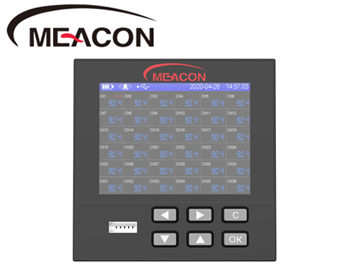
In the modern industrial landscape, precision and reliability are paramount. Among the technologies that have revolutionized various sectors, temperature recorders have emerged as indispensable tools. These devices, often referred to as 'Temperature Recorders,' play a crucial role in monitoring and maintaining optimal conditions in industrial environments. This article delves into the revolutionary applications of temperature recorders in modern industry, addressing key questions and providing insights into their significance. What makes temperature monitoring so critical in industrial settings? Temperature fluctuations can significantly impact the efficiency, safety, and quality of processes. Whether it's in pharmaceuticals, food processing, or manufacturing, maintaining precise temperature control is essential. Temperature recorders provide accurate and continuous monitoring, ensuring that processes remain within the desired parameters. Temperature recorders are equipped with sensors that detect and record temperature changes over time. These sensors can be placed in various locations within an industrial setting, providing comprehensive data. The recorded data is often stored in a digital format, making it easy to analyze and interpret. This technology has revolutionized the way industries monitor and control temperature-related processes. In the pharmaceutical industry, temperature control is crucial for preserving the efficacy of medications. Temperature recorders are used to monitor the storage and transportation of vaccines, ensuring that they remain within the required temperature range. Any deviation can render the medications ineffective, making these recorders indispensable. The food and beverage industry relies heavily on temperature recorders to ensure the safety and quality of products. From storage to transportation, maintaining the right temperature is essential to prevent spoilage and contamination. These recorders help in compliance with regulatory standards, providing a documented trail of temperature conditions. In manufacturing, temperature recorders are used to monitor processes that are sensitive to temperature changes. For example, in metalworking, temperature control is crucial for the quality of the final product. These recorders help in optimizing processes, reducing downtime, and improving overall efficiency. One of the primary advantages of temperature recorders is their precision and accuracy. Modern recorders use advanced sensors and technologies to provide highly accurate readings, ensuring that processes remain within the desired parameters. Temperature recorders offer real-time monitoring, allowing industries to respond quickly to any temperature fluctuations. This capability is crucial for maintaining safety and preventing potential issues before they escalate. The digital data collected by temperature recorders can be easily analyzed and reported. This data helps in identifying trends, optimizing processes, and ensuring compliance with regulatory standards. Many recorders come with software that provides comprehensive analysis tools, making it easier to interpret the data. Despite their advantages, temperature recorders face certain challenges. One of the primary issues is the potential for sensor drift, which can affect the accuracy of readings. To address this, regular calibration and maintenance are essential. Additionally, the integration of these recorders with existing systems can be complex, requiring expertise in both hardware and software. Advancements in technology continue to enhance the capabilities of temperature recorders. The integration of IoT (Internet of Things) and AI (Artificial Intelligence) is enabling more sophisticated monitoring and predictive analytics. These advancements are expected to further revolutionize temperature monitoring in industrial settings. Temperature recorders have become indispensable tools in modern industry, providing accurate and reliable monitoring of temperature-related processes. Their applications across various industries highlight their importance in ensuring safety, quality, and efficiency. As technology continues to evolve, these devices are expected to become even more sophisticated, offering enhanced capabilities and insights.The Importance of Temperature Monitoring
How Do Temperature Recorders Work?
Applications in Different Industries
Pharmaceutical Industry
Food and Beverage Industry
Manufacturing Industry
Advantages of Using Temperature Recorders
Precision and Accuracy
Real-Time Monitoring
Data Analysis and Reporting
Challenges and Solutions
The Future of Temperature Monitoring
Conclusion
Sharing Insights